Why Old Car Graveyards Are Beautiful and Why They Get Cleaned Up
For decades, hundreds of old cars sat on a property in Kaufdorf, a village near Bern in Switzerland, while a forest grew around them.
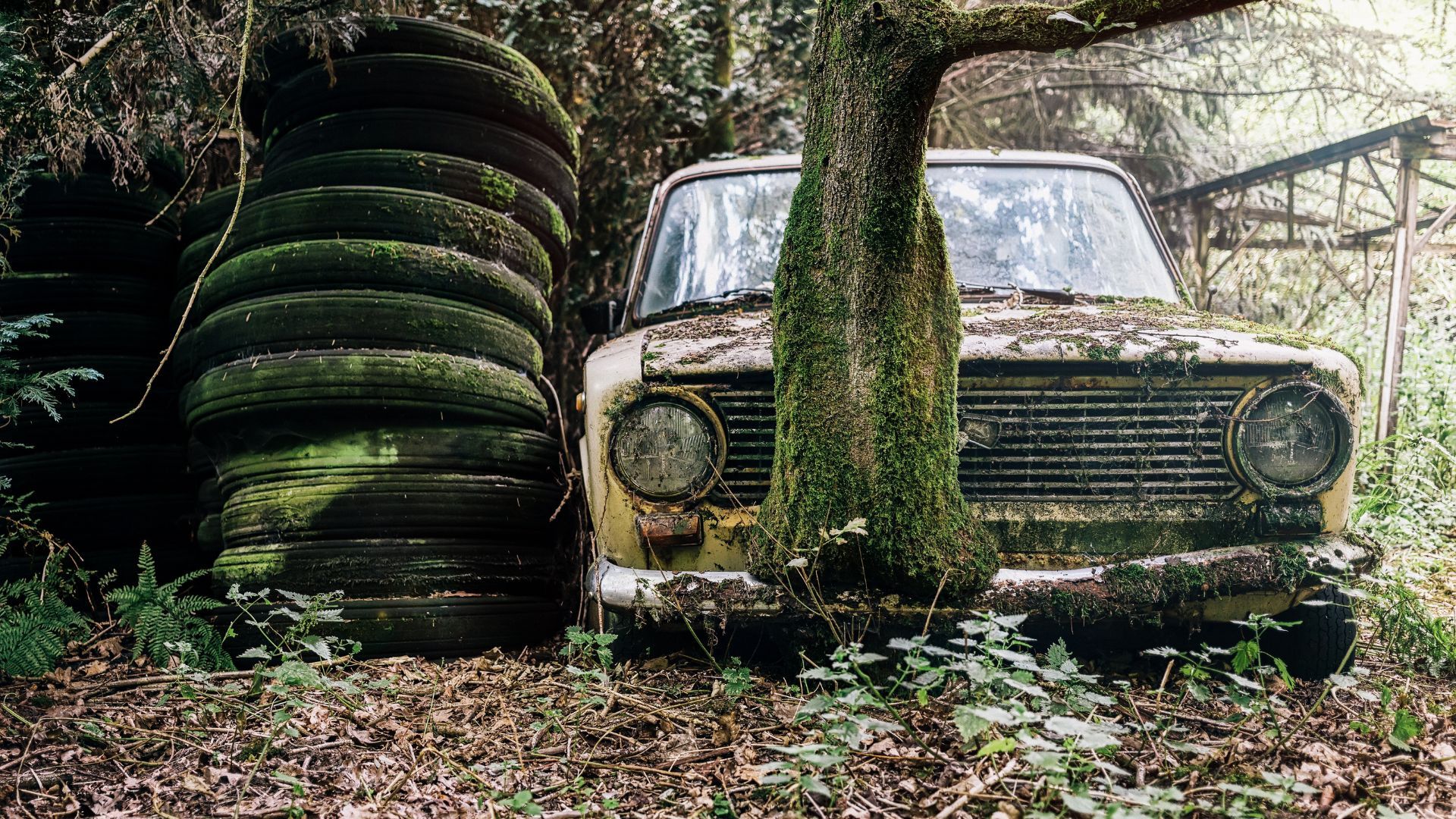
Visitors described shrubs growing on the roofs and moss covering the wheels. Foxes and hares sheltered in the old car seats, and over 30 years trees grew between the car bodies until the wrecks were hidden inside a wood. The Historischer Autofriedhof Gürbetal, as it was known, became famous around the world.
Then it was cleared, because it no longer met environmental rules.
Both of those things are true of almost every old car graveyard. They can be beautiful and they can also be a problem for the land underneath them. This article looks at why that’s the case and also at a short documentary on our platform about an artist who works in the space between those two facts.
A forest planted to hide the cars
The Kaufdorf story began in 1933, when a carpenter named Walter Messerli started trading in used car parts. He bought old vehicles, removed the parts that could be reused and left the bodies on his parents’ farm. At the time, no law restricted that for environmental reasons.
The famous forest was not entirely natural. Because neighbours were bothered by the sight of the wrecks, the municipality ordered Messerli to plant trees as a screen. So the trees that later made the place so photogenic were planted to hide it.
His son Franz took over the business in 1975. Because the family kept the public out, many of the cars stayed exactly as they had been parked, exposed only to natural decay for decades. Both the Swiss Museum of Transport in Lucerne and the Bern Historical Museum recognized the collection’s cultural and historical value.
Estimates of how many cars were there vary widely. Swissinfo put the number at around 500, while German-language sources counted more than 1,000 cars and about 400 motorcycles.
What is under these old cars
A forest of old cars may look peaceful, but cars are full of things that should never reach the soil. The Canadian Auto Recyclers’ Environmental Code lists mercury, lead, refrigerants, antifreeze, oils, gasoline and other fluids among the hazardous materials in a vehicle. The code also notes that older vehicles frequently leak oil, antifreeze and hydraulic fluid, which can contaminate soil and groundwater.
In Kaufdorf, the problem was specific. Swissinfo reported that Franz Messerli received a court order to pave and seal the grounds, to keep solvents leaking from the decaying cars from seeping into the earth.
That created an unusual paradox. Over the years, the site had become a home for rare plants and animals, and yet it was still cleared for environmental reasons.
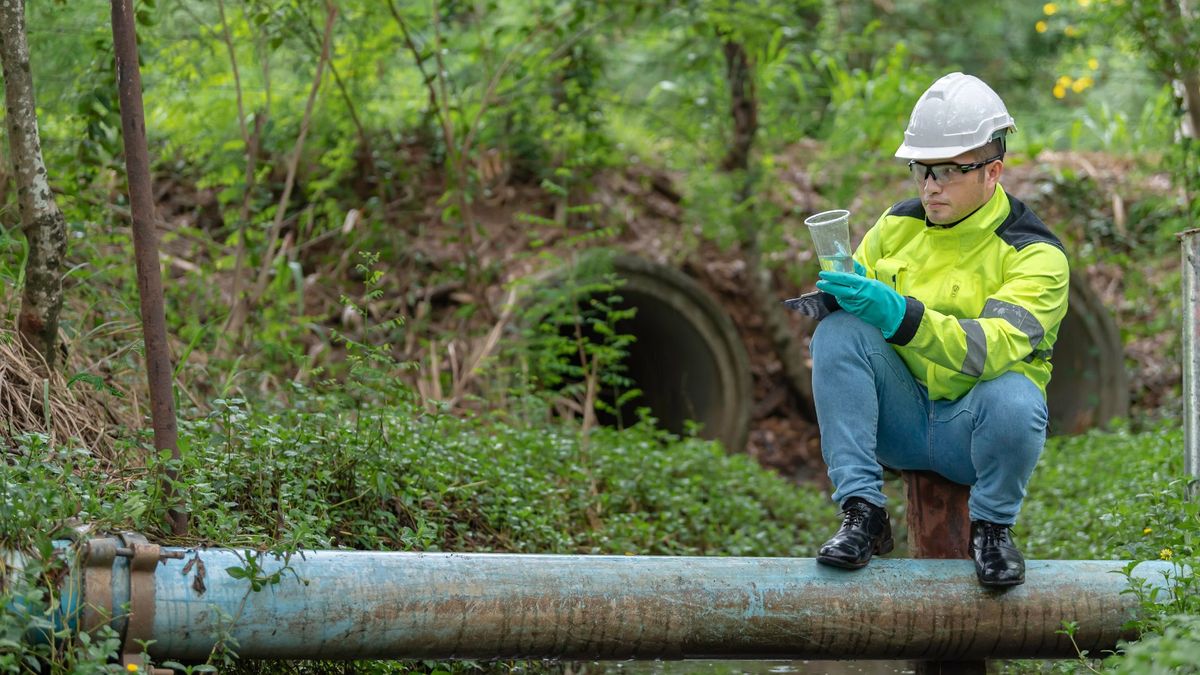
So, the story of a car graveyard often ends this way, with environmental remediation, which is the work of assessing and cleaning up contaminated land. We explain how that works in our article about environmental remediation in Canada.
The puzzle that had to be taken apart
In Kaufdorf, the cleanup took almost a decade. The canton intervened from the spring of 2000, and in 2004 the municipality issued a list of measures to the operator that included clearing the car graveyard and remediating the site for environmental reasons.
Messerli fought the order, and so did many classic car enthusiasts. For years he had refused offers for individual cars and parts. “I see the car graveyard as a puzzle,” he said. “If even one piece is missing, it will never be complete again.”
In 2008, the artist Heinrich Gartentor organized a national art exhibition among the wrecks and walkways were built over the most crowded rows of cars. More than 30,000 people came to see it.
Plans to keep the site as a kind of open-air museum did not succeed, because the municipality pointed to unmet environmental requirements and unsecured financing.
On September 19, 2009, the cars were auctioned one by one with no minimum bid. About two thirds of them sold, for prices between 50 and 17,000 Swiss francs, and the rest were disposed of.
A better ending for an old car
There is a better ending for an old car than a slow decay in the woods. According to the Canadian Auto Recyclers’ Environmental Code, more than 80 percent of an average car’s content by weight can be recycled. A responsible recycler removes the fluids and hazardous materials and manages them properly, so they do not end up in the environment.
If you are retiring an old car in Canada, the CAREC website lists recyclers who follow the code.
An artist caught in between
Some people find yet another ending for old cars. Garrett Gilbart, the artist at the centre of the documentary Echoes in Steel, carves metal and other found industrial materials into sculptural forms that carry the plants, land and histories of the places where the material was found. For years, a vintage car scrapyard supplied him. When it closed for environmental remediation, he lost a defining source of inspiration and material for one body of his work.
Like the artists who filled Kaufdorf with installations before it closed, Gilbart works in the space between what a scrapyard looks like and what it leaves behind. The film follows him as he lets the scrapyard go and it looks at our attachment to objects and at our complicated relationship with the land those objects eventually return to.
Echoes in Steel is a 14-minute documentary by Rob Viscardis and it was nominated for a Golden Sheaf Award for Best Short Documentary at the Yorkton Film Festival. It also includes archival footage from two 1936 industrial films, Steel: A Symphony of Industry and Master Hands.

Watch Echoes in Steel online
Echoes in Steel is streaming now on The Green Channel, the environmental documentary streaming platform. You can find more films about materials, waste and how we live in our Green Living collection.
Watch Echoes in Steel on our platform today.
Stream Award-Winning Environmental Films
Watch anywhere. Cancel anytime.
Then only CA$9.99/month