How Animals Cross the Trans-Canada Highway
In Highway Wilding, road ecologist Dr. Tony Clevenger explains what an animal in Banff National Park is up against when it needs to reach the other side of the Trans-Canada Highway.
“There are on average 17,000 vehicles a day that pass on this highway with peaks of up to 30,000 vehicles per day,” he says in the film. “That means one vehicle passing every three seconds. You can imagine how difficult it is for wildlife to cross this highway.”
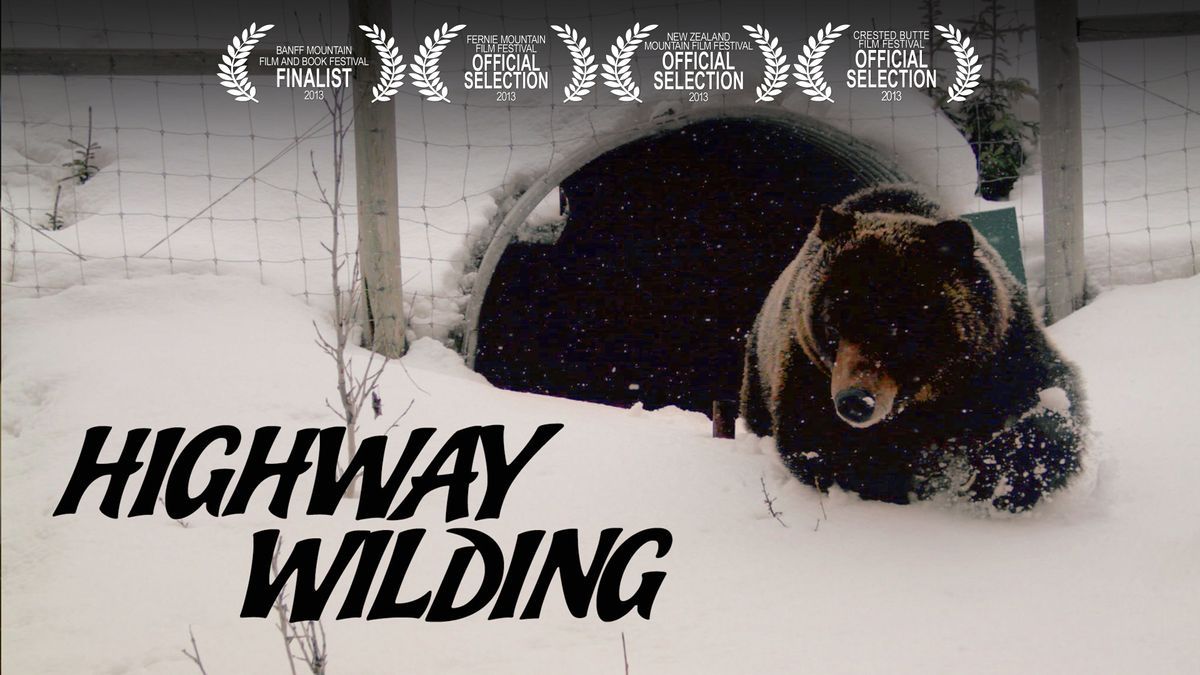
Highway Wilding is Leanne Allison’s film about the wildlife crossings built to deal with that problem in the Canadian Rockies, and it is now streaming on our platform.
Build them and they will live
The film’s own description on our platform sums up its message in one line: build them and they will live. “Them” means wildlife crossing structures, which are the overpasses and underpasses that let animals get across a road without stepping onto it.
The problem is not only about large animals. According to the filmmakers, everything from grizzly bears and wolverines to ducks and salamanders needs to cross roads safely to meet their life needs.
The Highway Wilding website describes the project as a collaborative research effort that builds on more than 15 years of research. That research showed wildlife crossing structures reduce collisions between wildlife and vehicles, and that they let animals move freely through their habitat.
Grizzly bear 122
The film follows the researchers who spent years checking whether animals would actually use the crossings. One of the answers comes from a single bear. Banff National Park ecologist Jesse Whittington describes him in the film:
“When you look at the movements of Grizzly Bear 122 (known as “The Boss”) this summer he traveled over 1600 km and crossed the Trans-Canada Highway (using wildlife crossing structures) over 66 times. These crossing structures were part of his daily life.”
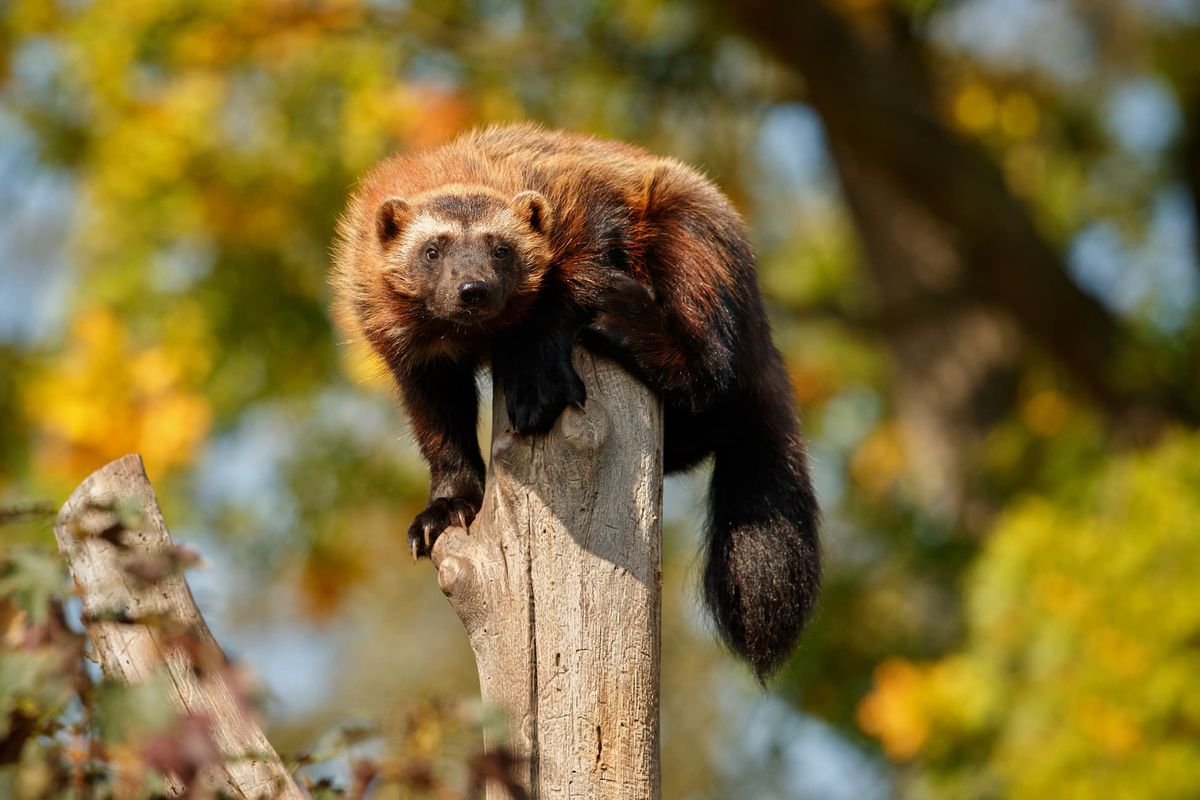
Wolverines turned up in the research as well. Clevenger, whom the film’s website also describes as a lead wolverine researcher, says: “If wolverines, one of the wildest, most elusive creatures on earth, can adapt to these structures, I am convinced now that any animal can.”
If you would like to know why wolverines are so hard to study in the first place, Leanne Allison’s other film on our platform, Chasing a Trace, follows researcher Mirjam Barrueto as she tracks wolverines through the high alpine of western Canada.
Author J.B. MacKinnon, who wrote The 100-Mile Diet, wrote about Highway Wilding when it came out: “Everyone will have their own moment where the film crosses over from interesting to urgent; for me, it was the story of a transplanted lynx that walked over 1500 kilometres home from America.”
An argument made in dollars
Highway Wilding does not rely on sentiment alone. The Highway Wilding website says building wildlife crossing structures has proven to be less expensive than a business as usual approach, once you count the costs of vehicle damage, human injury and lost hunting revenue.
In the film, Tracy Lee of the Miistakis Institute of the Rockies describes running an economic model on a single stretch of Highway 3. The model showed it was cost-effective to build crossings at nine different sites, because of the number of wildlife-vehicle collisions happening at those sites. She says that when you can show that, “you’re speaking a different language with transportation planners.”
Keeping what we already have
Karsten Heuer, who was president of the Yellowstone to Yukon Conservation Initiative when the film was made, explains why the Rockies matter so much:
“What we have here in the Rockies is one of the last best opportunities to maintain a fully functioning mountain ecosystem in the entire world. We have all the large mammal species, we have the grizzly bears, the wolverines, the wolves, the lynx, the cougars, the elk, the moose and in some places even the bison. And so we’re not in an age of restoration. We’re in an age of keeping what we already have.”
Our founder, Scott Renyard, sees the film the same way. “You can track an animal all you like, but if it cannot get across the highway, you are watching a population get cut in half,” he says. “Highway Wilding addresses a key issue when it comes to wildlife and fast moving vehicles. This film demonstrates that changes in how we do things can mitigate bad outcomes for our precious wild animals.”
About the filmmaker: Leanne Allison
Leanne Allison wrote, directed and produced Highway Wilding. According to the film’s website, she is a filmmaker based in Canmore, Alberta, and she directed two award-winning documentaries with the National Film Board of Canada: Being Caribou (2004) and Finding Farley (2009). Her interactive project Bear 71 premiered at the Sundance Film Festival. The website also says Highway Wilding became an audience favourite on the Banff Mountain Film Festival World Tour. (Source: highwaywilding.org)
Highway Wilding runs 22 minutes and features Dr. Tony Clevenger, Professor Richard Forman, Karsten Heuer, Tracy Lee and Jesse Whittington, among others. The film was edited by Jessica Dymond, with music from Elliott Brood, Sarah Harmer and Brian denHertog.
Watch Highway Wilding online
The film’s description promises that after you see it, you will never look at highways the same way again.
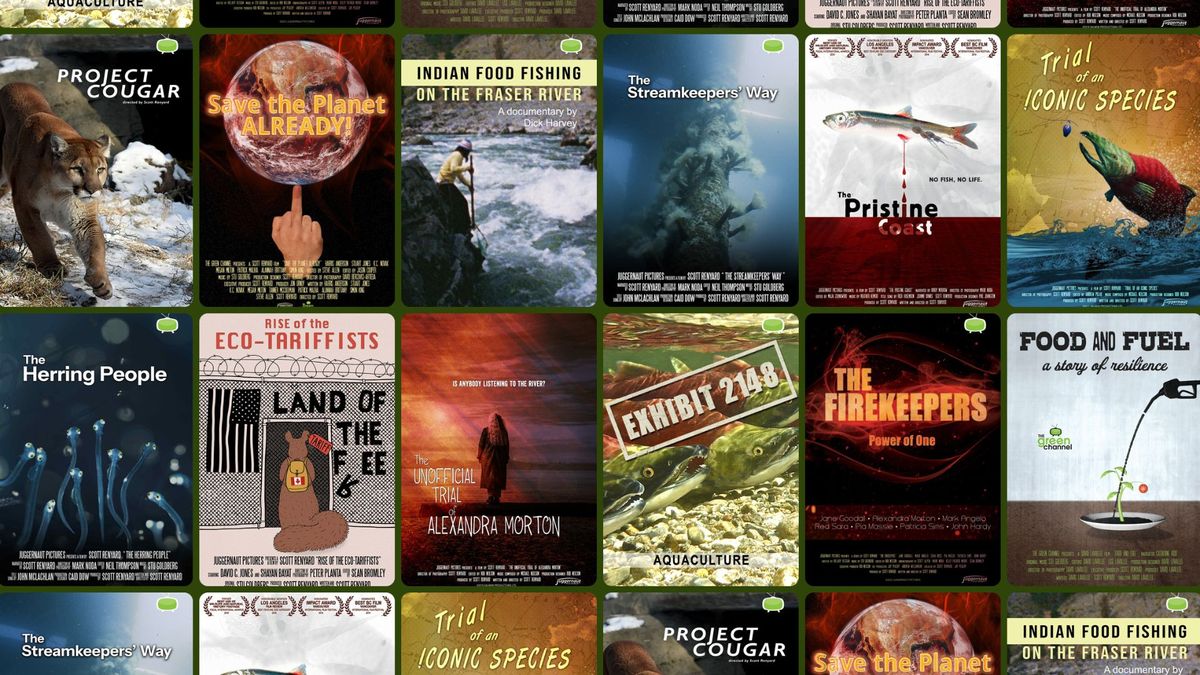
Highway Wilding is streaming now on The Green Channel, the environmental documentary streaming platform. You can find more films like it in our Wildlife Documentaries collection.
Watch Highway Wilding on our platform today.
Stream Award-Winning Environmental Films
Watch anywhere. Cancel anytime.
Then only CA$9.99/month