Global Footprints

Pursuit - conflict - resource extraction - money
Series Creator, Producer:Candice Batista
Director, Associate Producer:Myra Dziama
Host, Researcher, Writer:Candice Batista

Organic Farmers & The Ecological Farming Movement(25m)
Rainforests & Deforestation, Palm Oil & Saving the Orangutan(25m)
Smaller, Greener, More Flexible Homes & Water Conservation(25m)
Transportation, Greener Cars, Biodiesel & Designing Cities Less Dependent on Fossil Fuels(25m)
Urbanization & The Natural World(25m)
Sustainable Furniture & Design - Renewing Waste(25m)
Recycle Your Trash(25m)
Ecological Intelligence - How To Be A Responsible Shopper In A World of Overconsumption(25m)
Natural Playgrounds & Urban Wilderness - Play, Learn & Connect With Nature(25m)
Going Green Room By Room - How To Live an Eco Friendly Life(25m)
More Like This


Eternal Igloo

Firestorm: Out of the Ashes

The Pristine Coast

The Story of Zosel Dam

To the Ends of the Earth

White Water Black Gold

Wildfire Warriors

Suites For A Suffering World

System Update - Rebooting Our Future

Talk About Lonely

Not Without Us

Feeling The Apocalypse

Salmon Secrets

Aghbalou, The Source of Water

The Hungry Tide

Joanna Macy and the Great Turning

Lube Job

Eco Warriors

Mamme Volanti (Flying Mothers)
From The Blog
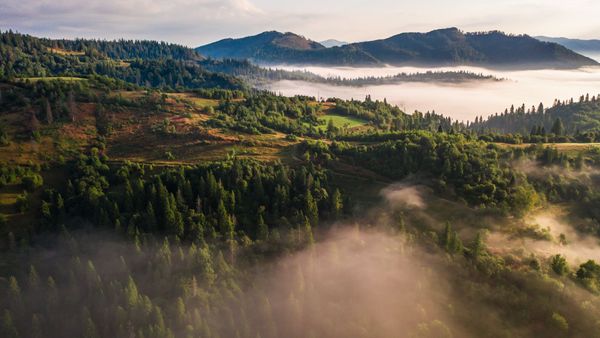
Love Ethics: When Cariño Becomes Action
What collaborative research with Indigenous Peoples teaches us about care, responsibility, and social change Love is rarely treated as a serious research method. In universities and public institutions, it is often pushed into the private realm, as though care and feeling compromise objectivity. Yet research is never free of values. Every project begins with choices: […]
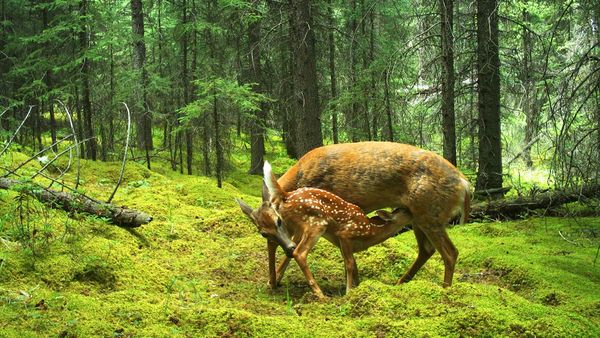
How Communities Learn to Share Their Home With Bears and Coyotes
On September 10, 2026, the weekly Bear Report for Canmore, Alberta warned that a young black bear was being seen regularly in the Cougar Creek, Eagle Terrace and Benchlands neighbourhoods, feeding on people’s cherry trees. The same report reminded residents of a rule that most towns would never think to write down. In Canmore, if […]
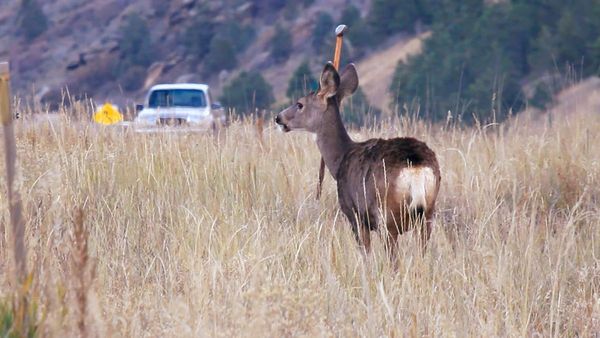
How Animals Cross the Trans-Canada Highway
In Highway Wilding, road ecologist Dr. Tony Clevenger explains what an animal in Banff National Park is up against when it needs to reach the other side of the Trans-Canada Highway. “There are on average 17,000 vehicles a day that pass on this highway with peaks of up to 30,000 vehicles per day,” he says […]
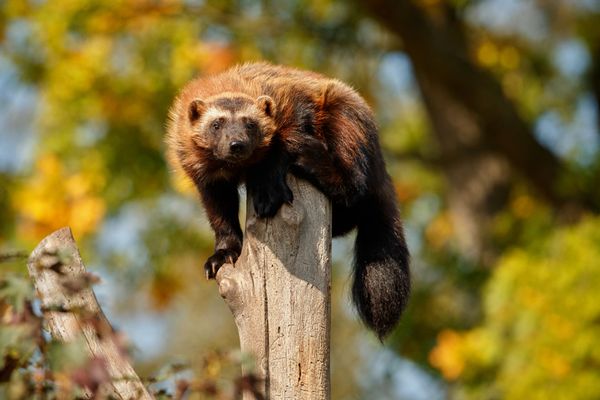
The Wolverine You Will Probably Never See: Chasing a Trace is now on The Green Channel
When our founder, Scott Renyard, was about ten years old, a wolverine stole his fish, and he never saw it happen. “I remember when I was about 10, my Dad and I were fishing way up Laforme Creek near Revelstoke, B.C.,” Scott says. “We found a log jam and managed to catch a couple of […]
How to Watch Environmental Documentaries Without Losing Hope
A good environmental documentary does something the news rarely does. It makes a far-off problem specific, it’s often less sensationalistic, it digs deeper. You see one river or one family standing in a burned yard. It might make you angry or sad because it puts you close to something you cannot fix. But a good […]
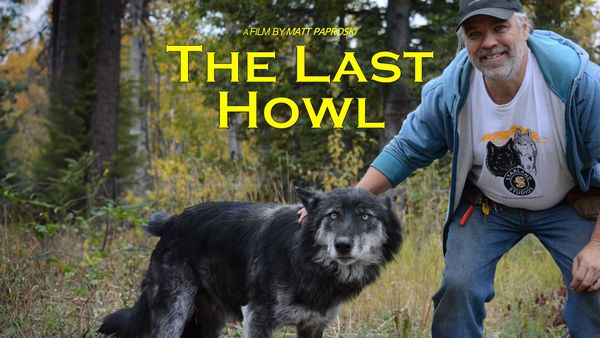
Twenty years with wolves: The Last Howl is now on The Green Channel
On September 4, President Trump signed an executive order directing the US Interior Department to decide whether gray wolves and Mexican gray wolves should come off the federal endangered species list. Five days later, a Canadian film about two brothers who spent twenty years with wolves starts streaming on The Green Channel. The film is […]